Founder–problem fit
From Pattern Recognition to Persistent Intelligence
Why John Wolf / Why Embassy — the hidden architecture of human systems, made visible, navigable, and worthy of wonder.
Founder–problem fit
Why John Wolf / Why Embassy — the hidden architecture of human systems, made visible, navigable, and worthy of wonder.
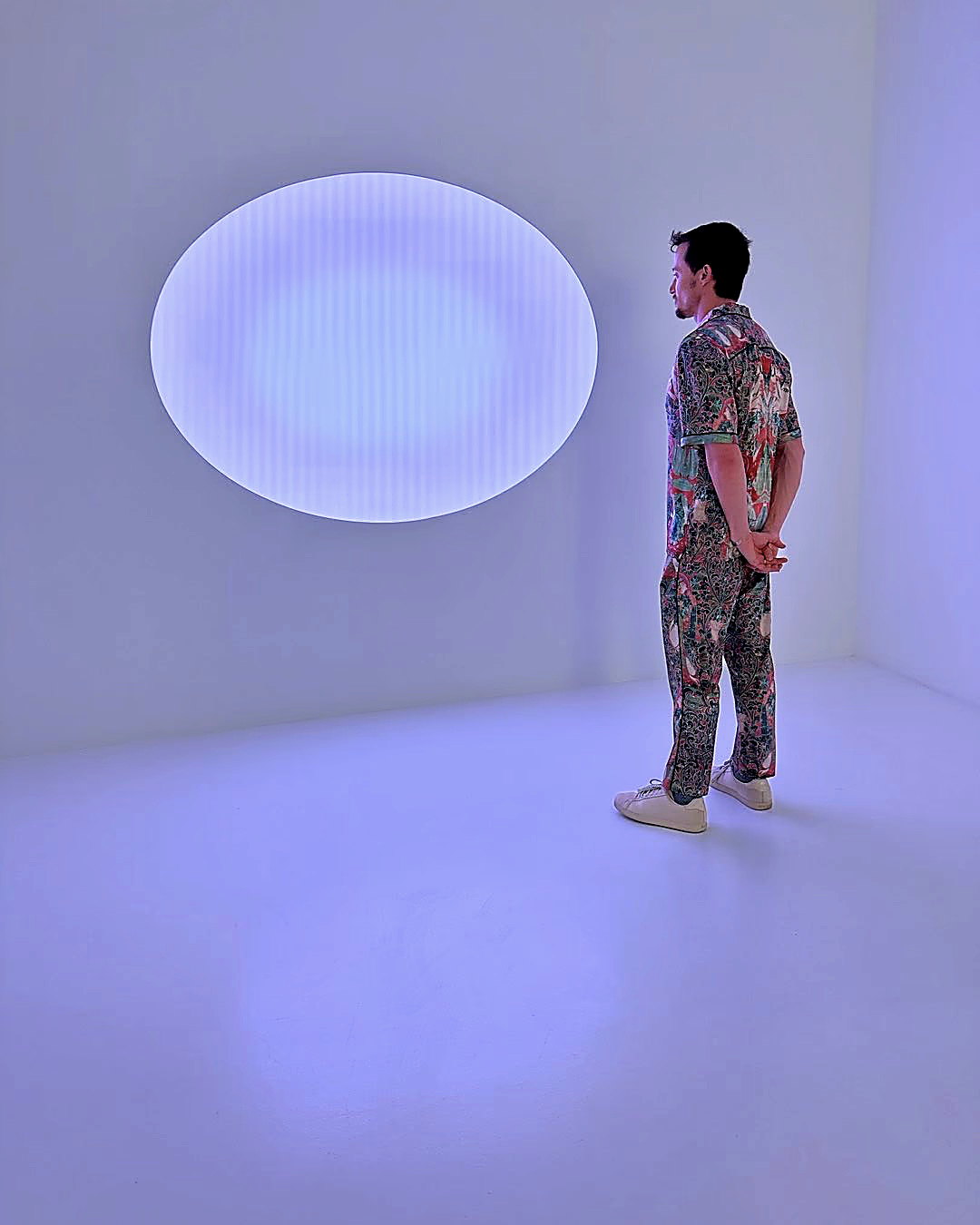
Wolf has been doing this kind of reading for twenty-five years. The trouble is that the value used to evaporate on contact. He could read a room, understand a collector, sense that what a founder said they needed was not what they actually needed — and then the meeting ended and the reasoning disappeared with it. The insight lived in the encounter and died there.
AI changes the economics of that cognition, because the observation can now be captured. The reasoning behind a read can be externalized, interrogated, and compared against other cases. When a client situation reveals something the existing model cannot adequately represent, a new distinction is created, the distinction becomes part of Embassy’s ontology, and the ontology improves the representation of the next human system — which will, in turn, challenge the ontology again. The loop runs: encounter, signal, pattern, distinction, representation, intervention, outcome, learning, revised distinction. The case teaches the system how to see.
This is why Embassy’s ontology is not a collection of attractive terminology. Its strongest concepts have provenance. When someone encounters Embassy language and asks where a distinction came from, the answer has a name and a date attached: it came from a particular case, where we observed something the existing model could not explain, built a distinction for it, and then watched whether the distinction survived contact with other human systems. That is a very different proposition from prompt engineering. It is cumulative model-building.
Wolf does not simply apply an inherited professional vocabulary to human situations. He keeps running into phenomena the inherited vocabulary cannot hold, and he builds more precise distinctions in response. This matters because language is not decoration around Embassy’s analysis — language changes what becomes perceptible. Once a phenomenon has an accurate name, a leadership team can notice it, discuss it, compare it across situations, and make decisions around it. The phrases that emerge from individual cases are therefore more than brand voice. They are early ontology formation: the lexicon is part of the technology.
“The exhibition itself was the medium.”
Wolf’s two decades in the art world turn out to be the unlikely preparation. A serious curator does not maintain a database of artworks; a curator perceives relationships. This work belongs beside that one. This artist changes the meaning of that room. This object is right for this collector — not because it satisfies a ranking system, but because of what is happening between object, person, place, history, and desire, including the part the collector cannot yet articulate.
In 2016, that proposition became literal with The Human Condition, an art exhibition, staged inside an abandoned Los Angeles hospital. Wolf entered as the curator, but the usual boundary between curator and artist did not survive the building: its architecture, the sequence of rooms, the work of more than eighty artists, and the movement of thousands of bodies through the site became one composed experience. The exhibition itself was the medium. More than 30,000 visitors and an avalanche of international press turned it into a viral human event, but the deeper consequence was generational: it brought emerging artists into view, initiated new collectors through encounter rather than instruction, and helped establish a model of exhibition-making in which the container, the crowd, and the feeling produced between them were all part of the work.
The same gesture appears in his capital work — which story, which person, which sequence, which source of trust allows capital to move — and in his relational work: what is happening between two people that neither person’s isolated account explains. For years he also ran an informal version of the practice that friends called his “spiritual concierge” mode: understand a person deeply enough to know which practitioner, teacher, question, or experience they should encounter next. Embassy generalizes that gesture beyond healing and beyond art. The question is no longer who should this person see. It is: what does this human system need to encounter next? Sometimes a person. Sometimes a question, a boundary, an organizational redesign, a capital partner — or no intervention at all. Curation, it turns out, was training in relational perception. In Embassy, the curator becomes an ontologist.

John Wolf · Founder, Embassy